


Table of Content
What Is Website UX and Why Does It Matter for Businesses?
Why a Bad Website UX Can Quietly Damage Business Growth?
How Businesses Can Identify Website UX Problems?
A business website today does more than just show information. It acts as the first interaction many customers have with a brand. Before a person speaks with a sales team or visits a physical location, they often visit the website. Because of this, the experience users have on the website can strongly influence whether they trust the business or move on to a competitor.Many companies invest in visually attractive websites but overlook one important factor: user experience. A site may look modern and well designed, but if it is difficult to navigate or confusing to use, visitors quickly lose interest. This is where bad website UX starts creating hidden problems for businesses.
Website UX, or user experience, refers to how easy and enjoyable it is for visitors to interact with a website. It includes everything from how quickly pages load to how easily users can find the information they need.
Good UX design ensures that visitors can navigate the website naturally without confusion. When people land on a site, they should immediately understand where to go next, what the business offers, and how to take action.
On the other hand, when websites suffer from website UX problems, visitors struggle to complete simple tasks. They might have difficulty finding services, filling out forms, or understanding the next step in the journey.
For businesses, this directly affects:
A well-designed user experience helps visitors stay longer, explore more pages, and feel confident about interacting with the business.
%201.png)
The impact of poor user experience is often gradual. Businesses may not notice the issue immediately because the website still looks functional. However, behind the scenes, small UX issues can slowly reduce the website’s effectiveness.
When visitors encounter a poor user experience website, they tend to leave quickly without exploring further. Over time, this can lead to fewer leads, reduced customer interest, and missed opportunities.
One of the biggest impacts of poor UX is the loss of potential customers. Visitors often come to a website with a clear intention. They may want to learn about services, request information, or make a purchase.
However, if the process becomes confusing or time-consuming, they simply leave.
Common UX issues that reduce conversions include:
When these elements are not designed carefully, businesses lose valuable leads. This is why the UX design impact on business performance can be significant.
Another hidden cost of poor UX is the increase in bounce rates. Bounce rate refers to the percentage of visitors who leave the website after viewing only one page.
A confusing interface, slow loading pages, or cluttered design can quickly push visitors away.
Some common causes include:
When users cannot easily explore the website, they leave before understanding what the business offers.
A website often acts as the digital face of a business. Visitors judge professionalism and reliability based on the quality of the website experience.
If a website feels outdated, confusing, or difficult to use, people may question the credibility of the brand itself.
For example:
Even if a company offers excellent services, a poor website experience can make it appear less reliable than competitors.
When users struggle to find information online, they often turn to customer support for help. While support teams are essential, excessive queries caused by poor UX can create unnecessary pressure on business resources.
Examples include customers asking basic questions such as:
A clear and well-structured website can reduce these issues significantly by guiding users smoothly through the information they need.
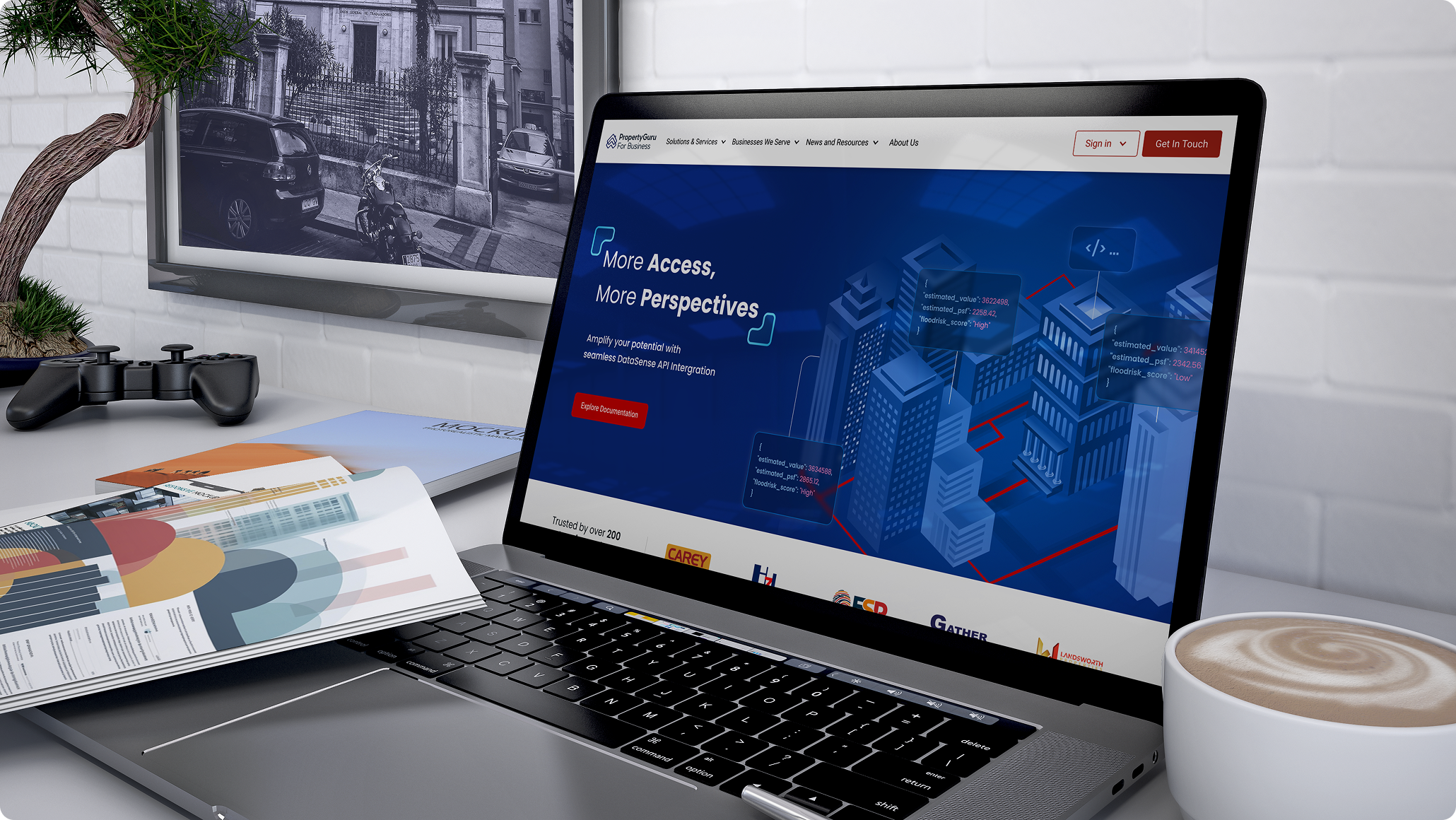
Many businesses assume their website works well simply because it looks attractive. However, appearance alone does not guarantee a strong user experience.
To identify potential issues, companies should regularly analyze how visitors interact with their websites.
Some helpful ways to evaluate UX include:
These steps help uncover hidden friction points that might otherwise go unnoticed.
Investing in user experience is not just a design upgrade. It directly improves how customers interact with a business online.
When UX is optimized, businesses often see several benefits:
A website designed with the user in mind makes every interaction smoother. Visitors spend more time exploring services, understanding the brand, and taking meaningful action.
A website is more than a digital brochure. It plays a central role in shaping how customers perceive a business and how easily they can interact with it.
When bad website UX goes unnoticed, it can quietly affect many aspects of business performance. Lost conversions, lower engagement, and reduced credibility are just a few of the hidden costs that build over time.
By focusing on user experience and addressing website UX problems, businesses can create websites that truly support their growth. A thoughtful approach to design not only improves usability but also builds stronger relationships with customers.
Do you have a website you would like to audit?


If you’re wondering how to create a strong online presence for your business, let’s connect! Schedule a call with us, and we’ll guide you step by step—right from scratch—on how to design your brand, build your website, and establish a powerful digital presence that truly represents you.