

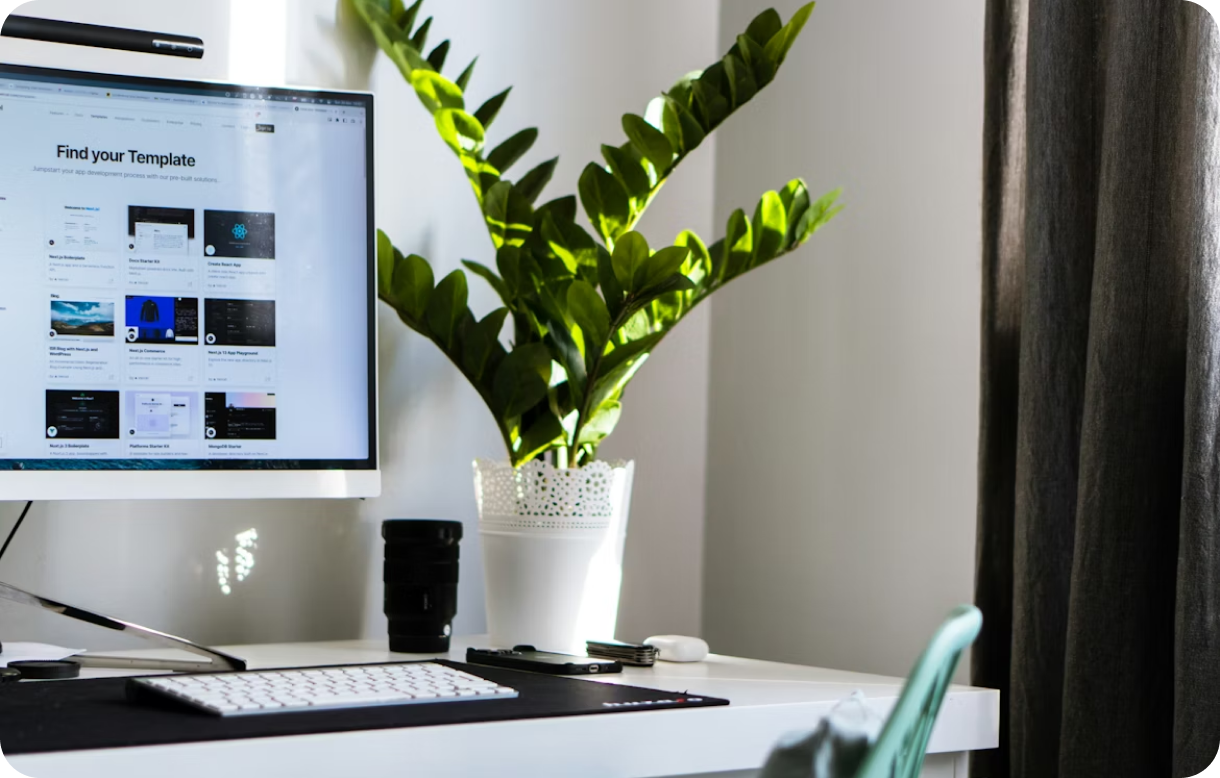
Have you wondered about a trend that never really left us?
Yes, it's minimalism, it simply gets reinvented or modified but never goes out of style.
Trends in design are often cyclical, but some ideas never really fade away; they evolve. Minimalism is one such idea that bounces back and forth. Once considered too plain or minimum, like a basic approach. It has now found meaning and life in the digital era by merging with motion design. Clean layouts are no longer about “less for the sake of less.”
Over the years we have understood that too many things take away a viewer's attention while visiting a website diverting their minds. In this case, simplicity takes all the attention on what matters and does not overwhelm a viewer. It's about a quintessential balance that approaches with class, and a subtle balance between movements, space and elements on the website. Today, brands and businesses are embracing this approach because audiences crave simplicity in a world drowning in noise and too much information.
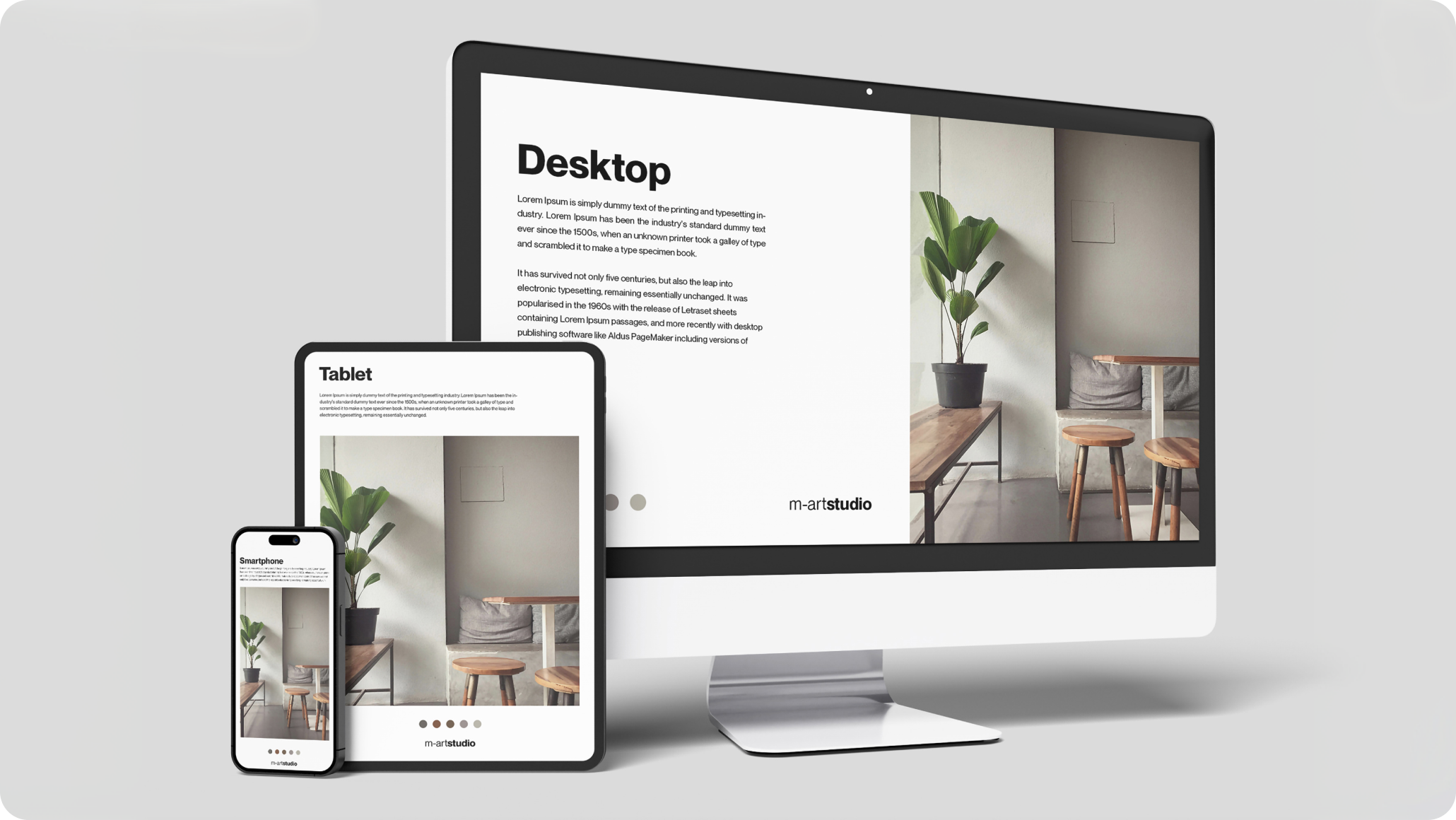
Keep it simple, keep it effective minimalist websites record nearly 25% more engagement, proving that clarity beats clutter every time. Minimalism in design was traditionally rooted in the “less is more” philosophy of white space, clean typography, and essential visuals.
But in today’s digital-first landscape, stillness alone can feel flat. Motion steps in as the perfect complement. Micro-animations, hover effects, and subtle transitions give layouts energy without cluttering them. The result? Designs that feel alive, guiding users intuitively through a polished and engaging experience.
With attention spans constantly reducing and now shorter than ever, people want to find what they need quickly and effortlessly. A cluttered design forces users to work harder, while a minimal layout enhanced with motion cues makes navigation seamless.
For example: A smooth scroll animation instantly grabs more attention and can naturally direct the eye toward important content, saving effort while building trust. Clean layouts, when paired with purposeful movement, respect the user’s time and that respect translates into loyalty and trust.
From a branding perspective, minimalism with motion communicates modernity, confidence, and intentionality. Global leaders like Apple and Google set the tone, proving that less can say more. Beyond aesthetics, this approach seems fruitful across various devices.
In a mobile-first world, minimal layouts prevent overwhelm on smaller screens while motion keeps users engaged to scroll and look into more. Businesses adopting this style gain attention but also create credibility and consistency across platforms.
Example: The mobile screens and layouts we design for our clients, is always set around the idea of not overwhelming a user/visitor.
Minimalism creates the stage, and motion becomes the narrator. When design elements move with intent revealing content step by step, transitioning between sections, or responding to user actions they help tell a story rather than compete for attention.
Instead of overwhelming users with everything at once, motion-led minimalism controls pace and flow, allowing brands to communicate ideas in a calm, confident sequence. This makes digital experiences feel more human and memorable, not mechanical.
Clean layouts naturally reduce visual and technical load. Fewer elements, simpler grids, and purposeful animations lead to faster load times and smoother interactions. In a world where users decide within seconds whether to stay or leave, speed becomes part of the design language.
When minimalism is paired with lightweight motion, brands make a strong first impression, one that feels premium, intentional, and effortless. Performance, in this case, isn’t just technical; it’s perceptual.
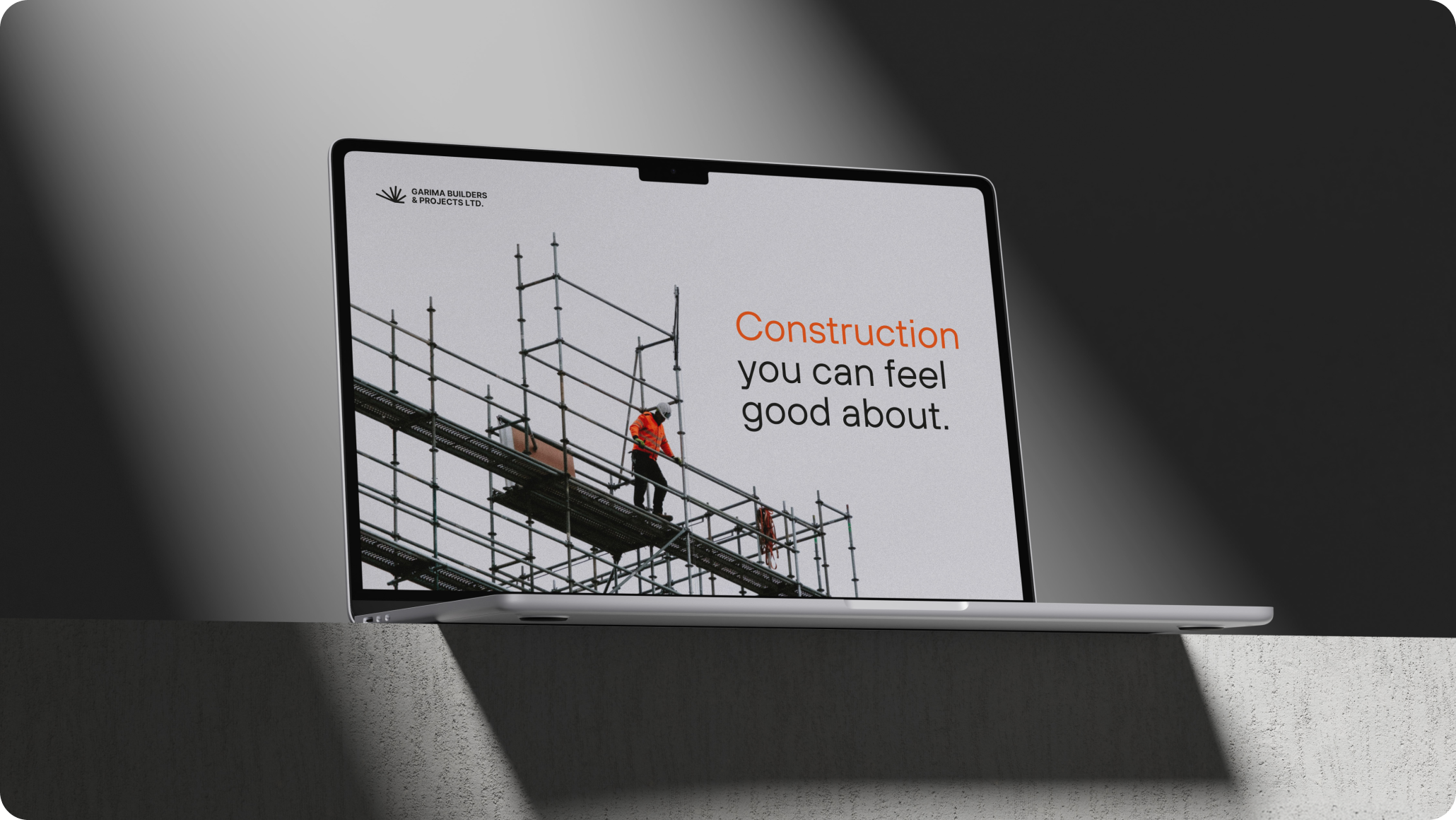
The return of clean layouts isn’t a fleeting trend emerging again—it’s a reflection of changing human behaviour. People now want clarity, brands want trust, and designers want harmony. One does not have the time and patience to overload information, elements, designs and extreme colours or font styles. Minimalism meets motion to deliver all simplicity and quick action.
It’s an art of balancing subtly thereby creating timeless and luxury responsive designs to the needs of the digital age. In short, the clean design movement gives each element clarity, consistency and more purpose.
At Ideafactor Design, we don’t just design, we craft experiences where simplicity meets storytelling. If you want your brand to look timeless and feel alive, let’s create something extraordinary together. Get in touch with our expert team via: https://www.ideafactordesign.com/contact-us
Do you have a website you would like to audit?


If you’re wondering how to create a strong online presence for your business, let’s connect! Schedule a call with us, and we’ll guide you step by step—right from scratch—on how to design your brand, build your website, and establish a powerful digital presence that truly represents you.